
Leaders with high EQ produce 20% better outcomes. So why do emotionally intelligent employees leave the organizations that recruit hardest for them? Three patterns explain the paradox, and the solution isn't more hiring. It's building systems where EQ compounds instead of erodes.


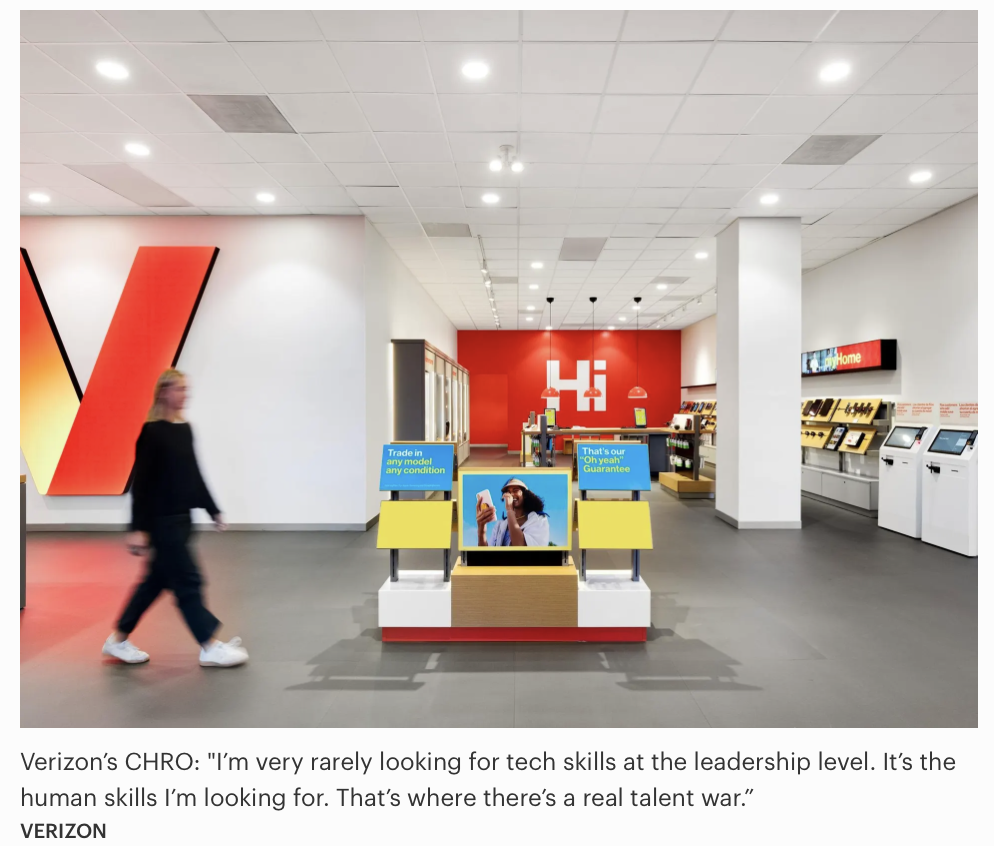
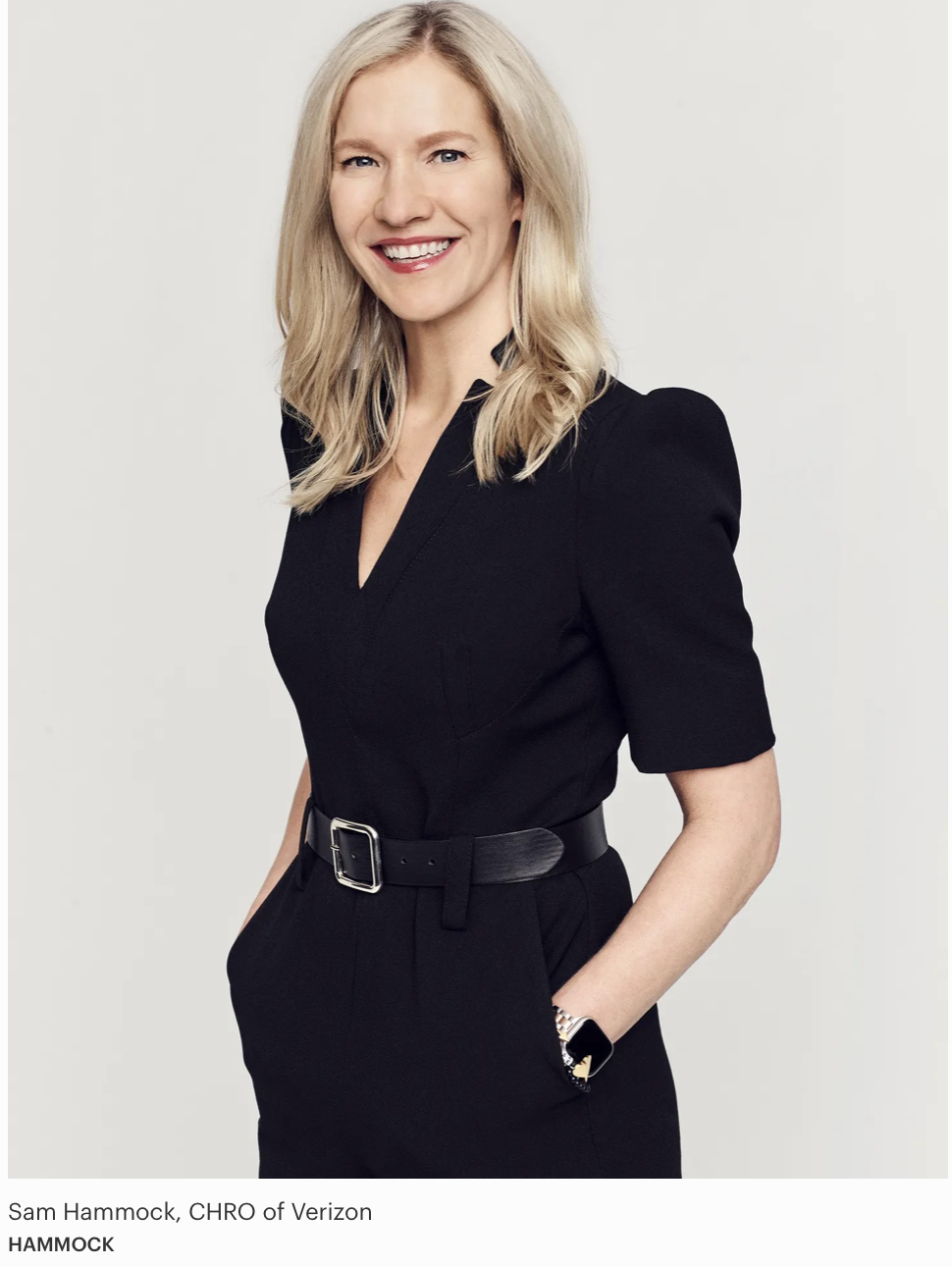
I was reading a Forbes article about Verizon's CHRO, Sam Hammock, and I couldn't stop thinking about it.
She said something that landed hard: leaders with high EQ produce 20% better business outcomes. That's not soft science. That's bottom-line reality.
But here's what most companies miss completely: they're treating EQ like a hiring checkbox instead of a cultural operating system.
You can recruit for emotional intelligence all day long. The hard part isn't finding those people. The hard part is creating conditions where they actually want to stay.
And that's where the wheels come off.
I call it the Emotional Intelligence Paradox: the more companies talk about valuing EQ, the faster their emotionally intelligent people leave.
Why?
Because emotionally intelligent people are the first ones to detect when organizational values are performative rather than practiced.
They notice when "psychological safety" gets mentioned in town halls but questions still get deflected in leadership meetings. They feel the disconnect when empathy is preached but decisions consistently prioritize metrics over people. They recognize authentic vulnerability versus the strategic kind designed to look relatable.
Your dashboard shows high engagement scores. Your EQ assessments look great on paper. But emotionally intelligent employees aren't fooled by surface signals. They're reading the organizational subtext. The unspoken rules. The energy patterns. The micro-signals that reveal what actually matters around here.
When they conclude that emotional intelligence is valued in theory but not in practice, they don't wait around for the transformation.

Here's something I've watched play out across dozens of organizations: leaders get so focused on hiring for EQ that they forget to examine whether their systems are behaviorally wired to support it.
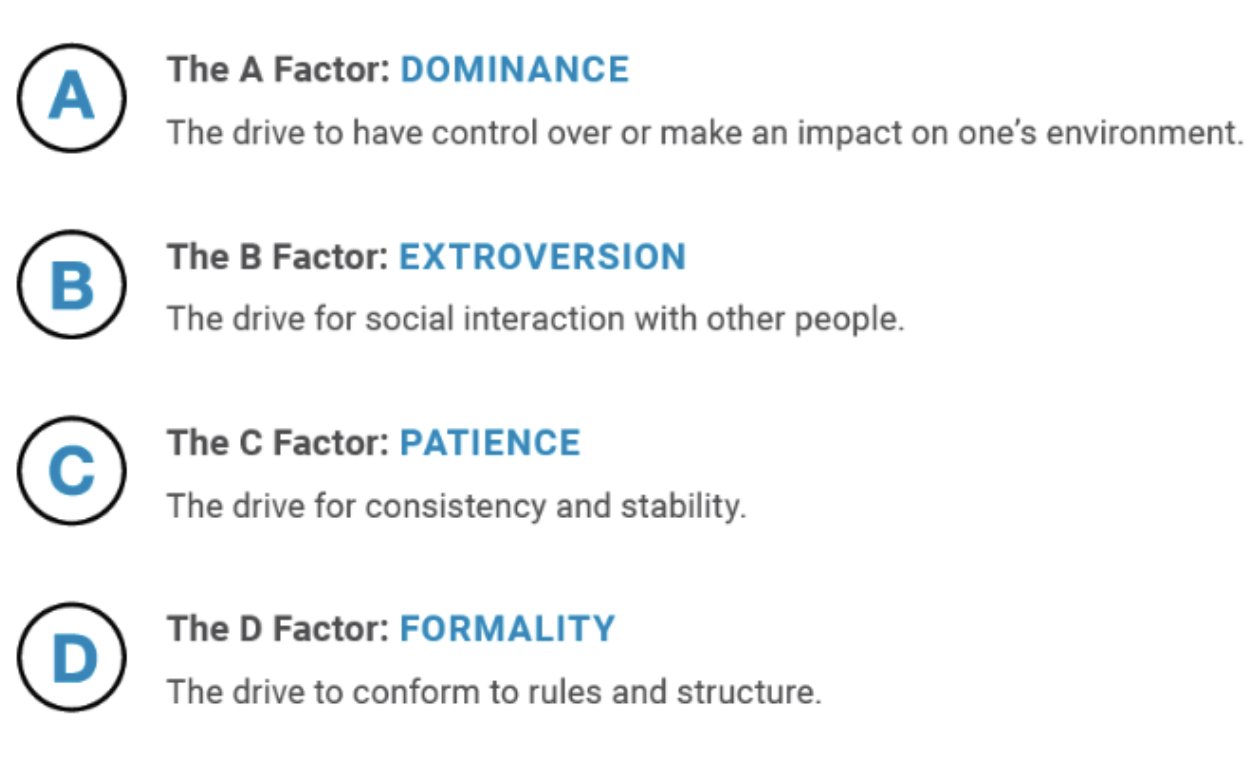
The Predictive Index doesn't just tell you how someone performs under pressure. It maps how people are naturally wired: their drive for dominance, their need for social connection, their pace, their need for structure and certainty. When you overlay PI data against your cultural environment, something revealing happens.
You start to see why your high-EQ, high-Dominance leaders feel constantly throttled in consensus-heavy cultures. You understand why your collaborative, relationship-oriented people go quiet in systems that reward individual performance above everything else. You see the behavioral friction that engagement surveys can never capture.
PI isn't a replacement for emotional intelligence. It's the missing diagnostic layer underneath it.
Used right, it answers the question EQ alone can't: "Is this person wired to thrive in the culture we've actually built, not the one we say we have?"
When I run diagnostics on organizations that talk about emotional intelligence but can't seem to keep it, three patterns show up every time.
Leaders expect EQ from their teams but haven't built systems that demonstrate it at the organizational level. You can't ask people to be emotionally intelligent inside emotionally unintelligent systems.
Sharing personal struggles becomes another performance metric rather than genuine human connection. People learn to be vulnerable on schedule, about safe topics, in approved ways.
Despite all the talk about psychological safety, your most emotionally intelligent employees have quietly stopped offering difficult feedback. They've learned it creates more problems than solutions.
These patterns don't show up in standard surveys. But they're immediately visible to anyone paying attention to the real data: linguistic shifts, energy patterns, the moment "we" starts becoming "they" in how people talk about the company.
That's what I call cultural dehydration. And by the time it shows up in your turnover numbers, it's been quietly happening for 9 to 12 months already.
Through 35 years of culture work, I've identified three currents that determine whether emotionally intelligent people stay or become flight risks.
Can people express disagreement without career consequences? Not just "we welcome diverse perspectives" on a poster, but actual evidence that challenging ideas leads to better outcomes, not quiet retaliation.
Do contributions actually shape decisions? Or is input collected for show while real decisions get made somewhere else? Emotionally intelligent people sense when their voice is valued versus when it's being performed.
Do people see themselves growing here? Not just moving up, but growing intellectually and emotionally. High-EQ people need environments that develop their capabilities, not just consume them.
When these currents flow freely, emotionally intelligent people become force multipliers. When they're blocked, your best people become the first ones to start looking.
Don't launch a program. Don't start an initiative. Do this instead.
Find your three highest-EQ performers. Ask them one honest question: "What would need to change for you to confidently recommend this as a great place for emotionally intelligent people to work?"
Then listen without defending.
What they tell you is your cultural dehydration diagnostic. Map it against your current systems. Where do your processes contradict the EQ principles you say you stand for? Choose one thing to change. Not a policy overhaul. A single practice. How decisions get communicated. How meetings close. Something small enough to act on by Friday.
That's your first drop. And first drops matter more than most organizations realize.
Sam Hammock at Verizon is asking exactly the right questions. Building a Culture OS that operationalizes values, investing in psychological safety over surveillance, creating the conditions for people to show up fully human in an AI-driven world. That's the work.
But recruitment without cultural infrastructure is just rotating the talent you lose.
The companies that win this war won't just hire for emotional intelligence. They'll build cultures where emotional intelligence compounds rather than erodes. Where behavioral data from tools like the Predictive Index informs real decisions instead of sitting in an HR file. Where the Three Trust Currents flow freely enough that your best people don't just stay. They bring others.
Emotionally intelligent people don't just want to work for emotionally intelligent leaders. They want to work inside emotionally intelligent systems. And building that is a much harder, and much more important, transformation.
Ready to find out where your culture is losing flow? Grab your copy of "Thirsty: Restoring Organizational Flow When Relationship-Culture Runs Dry in the Workplace" and get the Cultural Rehydration Framework that's helping organizations retain the people they can't afford to lose.
The Emotional Intelligence Paradox describes a pattern where the more organizations talk about valuing EQ, the faster their emotionally intelligent employees leave. This happens because high-EQ people are the first to detect when organizational values are performative rather than practiced. They read the subtext, the unspoken rules, and the energy patterns that reveal what actually matters, and when they conclude EQ is valued in theory but not in practice, they don't wait around.
Three patterns drive this departure: the Empathy Expectation Gap (expecting EQ from teams without building emotionally intelligent systems), Vulnerability Theater (turning personal sharing into a performance metric), and Feedback Friction (high-EQ employees stopping difficult feedback because it creates more problems than solutions). These patterns are invisible to standard engagement surveys but immediately visible through linguistic shifts and energy patterns.
PI maps how people are naturally wired across dominance, social connection, pace, and need for structure. When overlaid against the actual cultural environment, it reveals behavioral friction that engagement surveys miss. It answers the question EQ assessments alone cannot: whether someone is wired to thrive in the culture you've actually built, not the one you claim to have. This diagnostic layer helps leaders redesign systems before high-EQ talent decides to leave.
The Three Trust Currents are: the Safety Current (can people disagree without career consequences), the Value Current (do contributions actually shape decisions or is input collected for show), and the Future Current (do people see themselves growing intellectually and emotionally, not just moving up). When these currents flow freely, emotionally intelligent people become force multipliers. When blocked, they become flight risks.
A First Drop is a single, small practice change that can be implemented within a week. Rather than launching programs or initiatives, find your three highest-EQ performers, ask them what would need to change for them to recommend the organization as a great place for emotionally intelligent people, then listen without defending. Choose one practice to change by Friday. First drops compound into cultural momentum, and they matter more than most organizations realize.
Explore articles, case studies, and resources - crafted to keep you ahead.